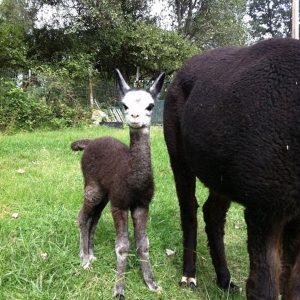
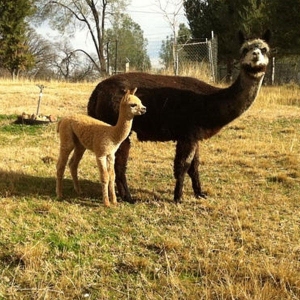
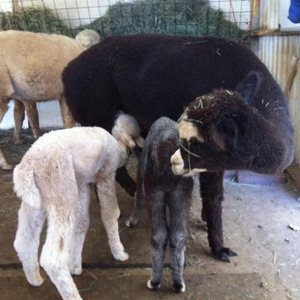
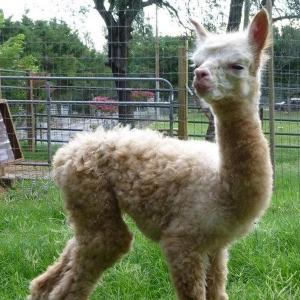
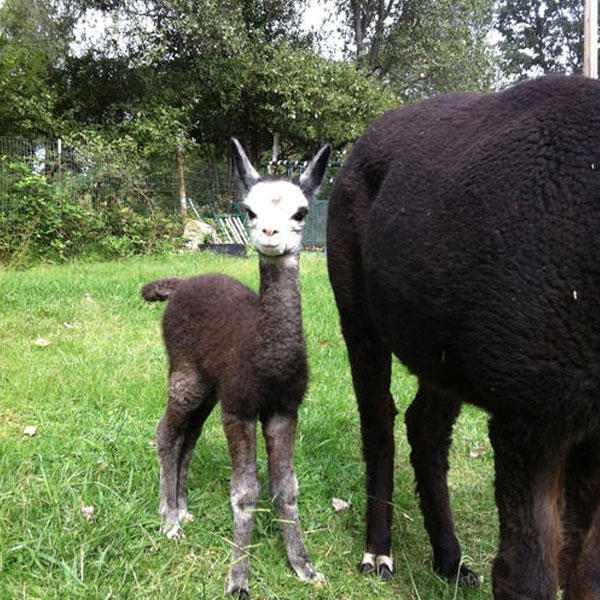
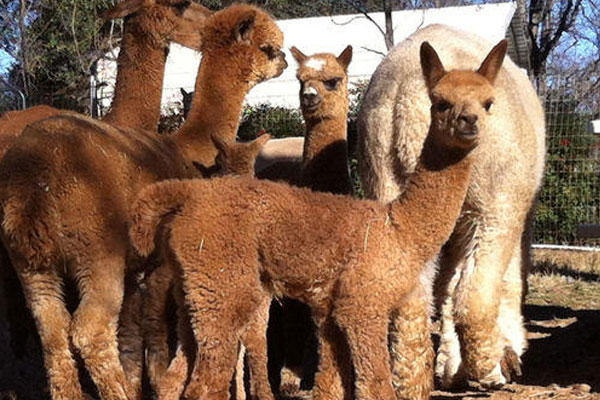
Welcome to Arapaho Rose Alpacas, a premier alpaca farm located in scenic Redding, California. Since 2001, we have specialized in breeding and raising an award-winning herd of alpacas, offering not only alpacas for sale but also a wide variety of luxurious alpaca products. Whether you’re a first-time buyer or an experienced fiber artist, we invite you to explore everything our farm has to offer.
Alpacas for Sale & Breeding Services
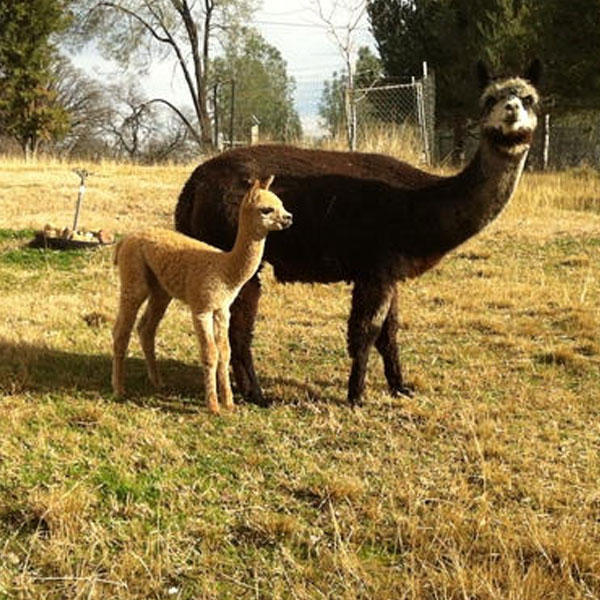
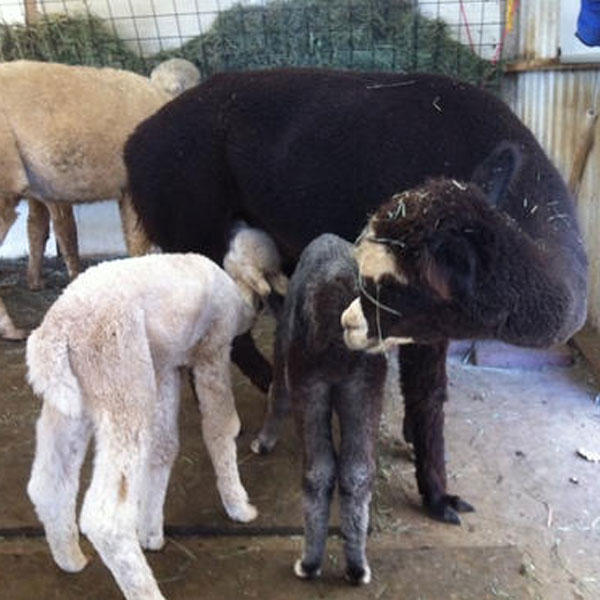
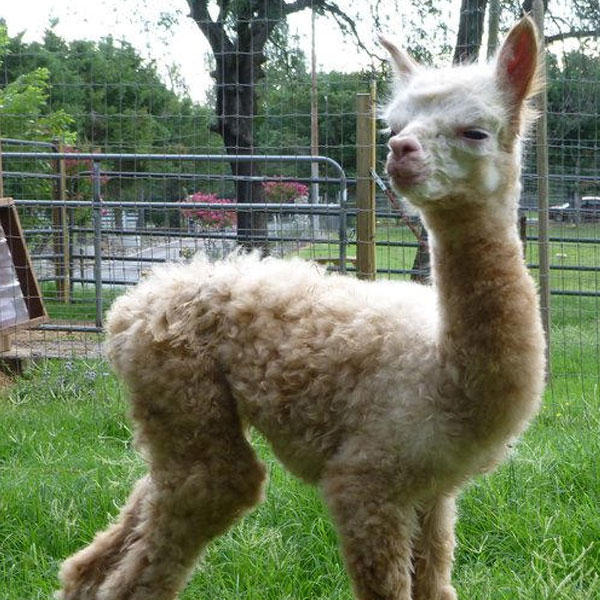
At Arapaho Rose Alpacas, we offer an exceptional selection of healthy alpacas and proven genetics. Our alpacas are carefully bred using elite herdsires and outstanding females, ensuring each new generation improves in fiber quality, confirmation, and temperament. From show-quality alpacas to fiber-producing companions, you’ll find animals that meet your specific needs.
Our team is passionate about helping new and experienced alpaca owners alike. Whether you’re starting your first herd or enhancing an existing one, our expert support and selective breeding services can guide your journey toward alpaca ownership and success.
Handcrafted Alpaca Clothing & Fiber Products
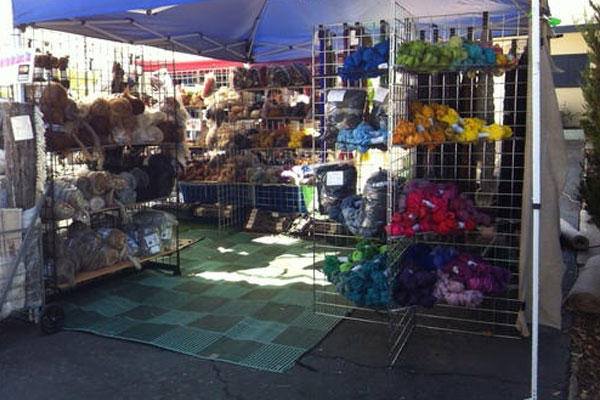
If you’re looking for high-quality alpaca clothing and fiber, visit our online boutique for a wide range of handcrafted alpaca products. Choose from beautifully made scarves, gloves, hats, and socks that are not only stylish but also warm, hypoallergenic, and incredibly soft. Our popular throw blankets are perfect for cozying up without the itch or pilling associated with lower-quality fibers.
We also offer raw and processed fiber materials like batts, roving, and yarn cloth. These are ideal for spinners, weavers, and crafters interested in creating their own custom garments and home goods from our premium alpaca fleece.
Farm Experience & Alpaca Lifestyle Education
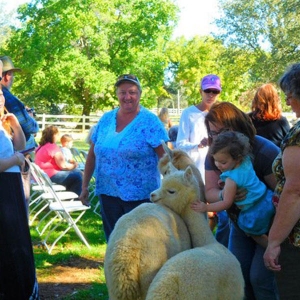
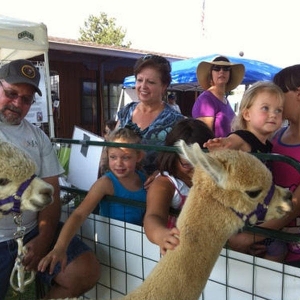
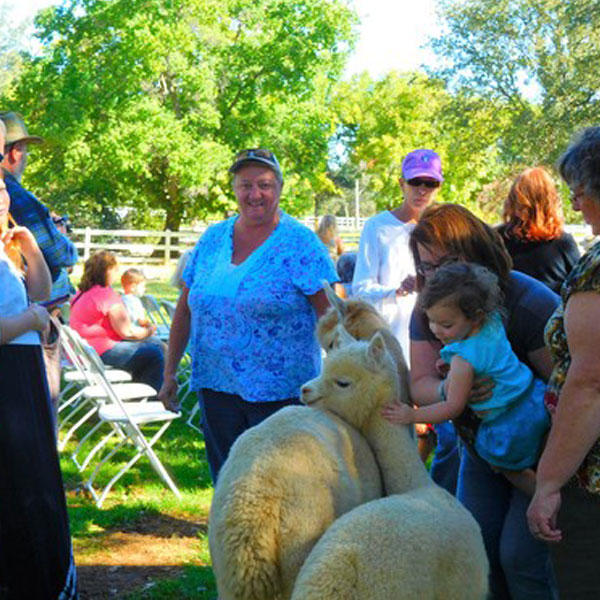
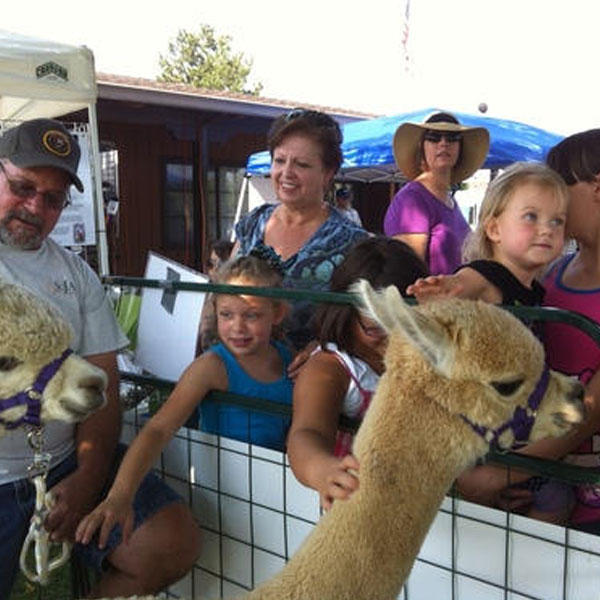
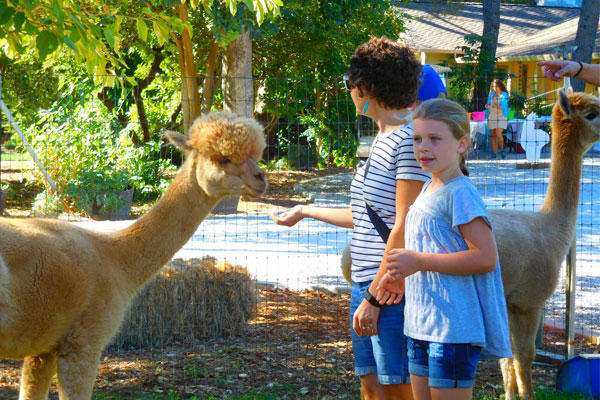
For those curious about the alpaca lifestyle and farming, we offer a full live farm tour experience. Visitors can schedule appointments to tour the farm, meet the alpacas, and learn firsthand about their care, feeding, and shearing. Our goal is to share the beauty, tranquility, and sustainability of alpaca farming with everyone.
We’re also happy to provide mentorship and resources for new alpaca owners. From habitat setup and daily care to breeding advice and fiber harvesting, our experience is your advantage.
Award-Winning Alpacas & Trusted Expertise
With over two decades in the alpaca industry, Arapaho Rose Alpacas has established a reputation for excellence. Our alpacas have consistently earned top honors in fleece competitions and conformation shows. By combining expert care, responsible breeding, and a passion for the animals, we continue to raise the bar in alpaca farming.